

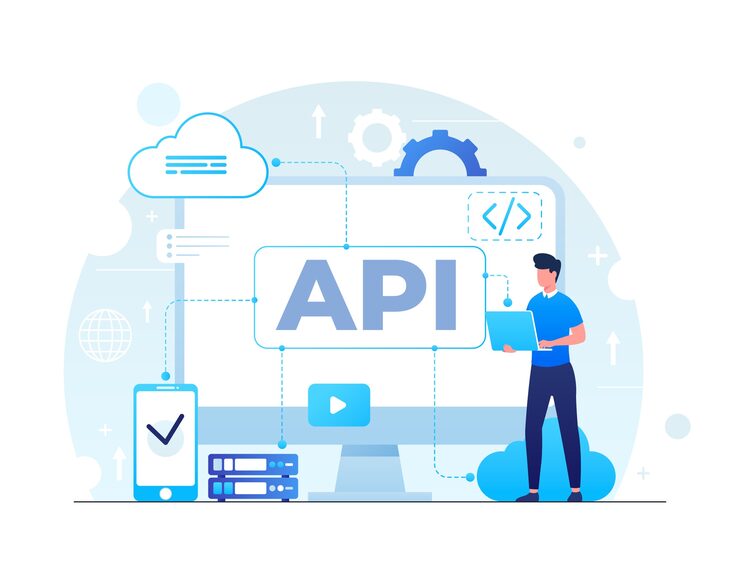
APIs are the unseen bridges of the digital world, connecting systems, platforms, and applications like intricate highways carrying valuable data traffic. Just as engineers inspect every joint and bridge before opening a highway to vehicles, developers must ensure APIs are flawless before they go live. Without proper testing, even a minor crack can cause a traffic jam—or worse, a collapse in system communication.
This is where API testing becomes essential, ensuring the reliability, performance, and security of the invisible infrastructure that powers today’s interconnected software ecosystem.
Understanding the Importance of API Testing
In the software landscape, APIs act as messengers that allow different programs to talk to one another. When they work smoothly, users enjoy fast, reliable experiences—ordering food online, tracking deliveries, or processing payments seamlessly.
However, if an API fails, the impact cascades across services. Imagine a restaurant app unable to fetch menu data or process payments due to an untested endpoint. The customer experience crumbles instantly.
That’s why testing APIs before deployment isn’t just a best practice—it’s a responsibility. It ensures that requests are correctly interpreted, responses are accurate, and systems interact exactly as intended.
For those aspiring to master such critical backend validation, enrolling in a software testing course can help build the foundational understanding needed to design effective API test strategies and automation frameworks.
Types of API Testing: Going Beyond the Basics
API testing isn’t a single-step process—it’s a series of layered validations designed to ensure robustness from every angle.
- Functional Testing: Verifies that endpoints perform the intended tasks and deliver correct outputs.
- Load Testing: Examines how the API behaves under stress when multiple users access it simultaneously.
- Security Testing: Ensures data transmitted through APIs remains encrypted and safe from vulnerabilities.
- Compatibility Testing: Checks that APIs work consistently across devices, browsers, and operating systems.
These varied tests provide developers with a 360-degree assurance that their digital bridges won’t fail, even under pressure.
The Role of Automation in API Testing
Manual testing has its place, but automation elevates API testing to a new level. Automated test scripts can validate thousands of endpoints in seconds, simulate heavy traffic, and flag failures instantly.
Tools such as Postman, RestAssured, and SoapUI have become integral in automating repetitive tests and integrating them within CI/CD pipelines. This ensures that every new deployment undergoes rigorous inspection before being exposed to real-world use.
Automation also promotes consistency, allowing testers to catch anomalies early—long before they escalate into costly failures.
Common Challenges in API Testing
Despite its importance, API testing poses unique hurdles. APIs often evolve rapidly, with endpoints added, modified, or deprecated in quick succession. Versioning issues, inadequate documentation, or data dependency can complicate test execution.
Moreover, not all APIs are created equal—some rely on complex authentication mechanisms, while others interact with multiple third-party systems, making end-to-end testing intricate.
Addressing these challenges requires both technical skill and analytical thinking. Structured learning through a software testing course provides aspiring professionals with hands-on exposure to such scenarios, helping them navigate real-world testing complexities confidently.
Best Practices for Reliable API Testing
To ensure APIs perform optimally before deployment, testers should follow a disciplined approach:
- Start Early: Integrate API testing in the development cycle rather than waiting for post-build validation.
- Use Mock Servers: Simulate dependencies to test APIs in isolation.
- Validate Data Thoroughly: Check both request and response payloads to prevent miscommunication.
- Monitor Response Time: Identify latency early to optimise performance.
- Ensure Security: Always verify that authentication, authorisation, and encryption layers are intact.
Each of these practices fortifies the bridge between systems—ensuring smooth, uninterrupted data exchange and user satisfaction.
Conclusion
APIs are the lifeblood of modern digital experiences, and their reliability directly impacts business success. Comprehensive API testing ensures that every endpoint performs as expected, maintains data integrity, and withstands high user loads.
Before deployment, investing time in API validation saves organisations from downtime, security breaches, and customer frustration. In a world built on seamless digital interactions, API testing isn’t just technical diligence—it’s the foundation of trust.
For professionals looking to gain expertise in automation, validation frameworks, and integration testing, structured learning provides an ideal roadmap to mastering this essential skill. With this knowledge, they can ensure that every API they test not only connects systems but also keeps them running smoothly.